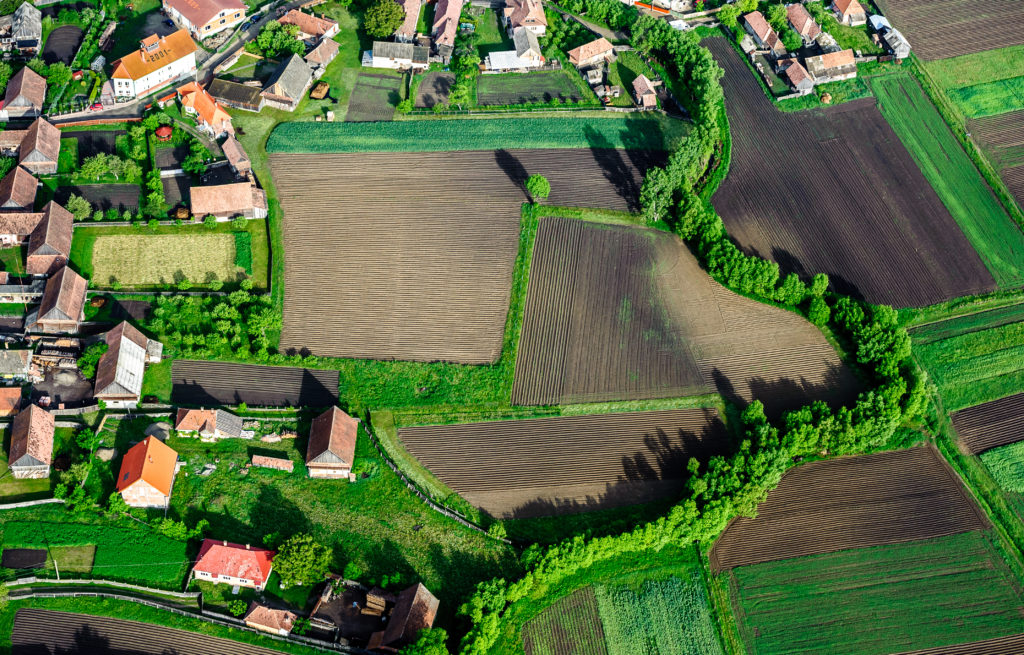
Land subdivision plays a foundational role in how communities grow, properties are sold, and land is developed. At its core, land subdivision is the process of dividing a larger parcel of land into smaller, legally recognized lots. This practice is essential to modern real estate, allowing land to be used efficiently for residential, commercial, industrial, and agricultural purposes.
Without subdivision, it would be difficult to transfer ownership, plan infrastructure, or regulate development in a meaningful way. Governments, developers, and property owners all rely on subdivision to organize land use in a way that balances economic growth, legal clarity, and community needs.
This article explores the purpose of land subdivision by examining its legal, economic, planning, and environmental functions.
Understanding Land Subdivision
Land subdivision refers to the formal division of a single parcel of land into two or more separate lots. Each new lot is defined by legal boundaries and recorded in public land records, making it possible to sell, develop, or finance the property independently.
It is important to distinguish subdivision from related land-use actions. Rezoning changes how land may be used, such as from agricultural to residential, but does not alter parcel boundaries. Land subdivision also typically follows a structured regulatory process involving surveys and plats.
Subdivisions can take many forms, including residential neighborhoods, commercial developments, industrial parks, and rural land divisions. Regardless of scale, the underlying goal is the same: to create clearly defined, legally recognized parcels that support orderly land ownership and use.
Legal and Regulatory Purposes of Land Subdivision
One of the primary purposes of land subdivision is to establish legal clarity. Subdivision ensures that property boundaries are accurately surveyed, documented, and recorded, reducing disputes and confusion over land ownership.
Local governments regulate subdivision to ensure compliance with zoning laws, land-use plans, and building codes. The subdivision process typically requires approval from planning departments or commissions and the recording of a subdivision plat in public land records. This recorded plat turns into the legal reference for property descriptions, deeds, and titles.
Subdivision regulations also protect the public by ensuring that new lots meet minimum standards for size, access, and infrastructure. By enforcing these requirements, local governments maintain consistent development patterns and protect property owner rights.
Economic and Development Purposes
Land subdivision plays a significant role in economic growth and real estate development. Dividing land into smaller lots often increases its overall value, making it more marketable and easier to sell or develop.
For developers, subdivision enables the creation of buildable lots that can be sold individually, supporting housing development, commercial projects, and mixed-use communities. For landowners, subdivision provides flexibility, allowing them to sell portions of their property or develop it in stages.
Subdivision also supports efficient land use by aligning property sizes with market demand. Smaller lots may be better suited for residential areas, while larger parcels may support commercial or agricultural uses. This adaptability helps communities grow in a way that reflects economic needs.
Infrastructure and Community Planning Purposes
Another important purpose of land subdivision is to coordinate infrastructure and community planning. Subdivision regulations ensure that roads, utilities, drainage systems, and public services are planned before development occurs.
By requiring developers to design street layouts, utility connections, and access points, subdivision helps create functional and safe neighborhoods. It also ensures that emergency services, schools, and public facilities can serve new developments efficiently.
From a broader perspective, subdivision supports long-term planning goals by guiding growth in designated areas. This helps prevent unplanned sprawl, reduces infrastructure costs, and promotes cohesive community development.
Environmental and Land Management Purposes
Land subdivision also serves important environmental and land management purposes. Modern subdivision regulations often include requirements to protect wetlands, floodplains, and environmentally sensitive areas.
Through the subdivision process, planners can manage how land is developed, preserving open space, controlling stormwater runoff, and minimizing environmental impacts. This helps balance development with conservation and sustainability goals.
Subdivision can also promote responsible land use by encouraging compact development and reducing the spread of infrastructure into environmentally sensitive areas. These measures support healthier ecosystems and more sustainable communities.
Conclusion
The purpose of land subdivision extends far beyond simply dividing land into smaller pieces. It provides the legal framework for property ownership, supports economic development, coordinates infrastructure planning, and helps manage environmental impacts.
By regulating how land is divided and developed, subdivision ensures that growth is orderly, efficient, and aligned with community goals. It protects property owners, supports real estate markets, and enables communities to plan for the future.