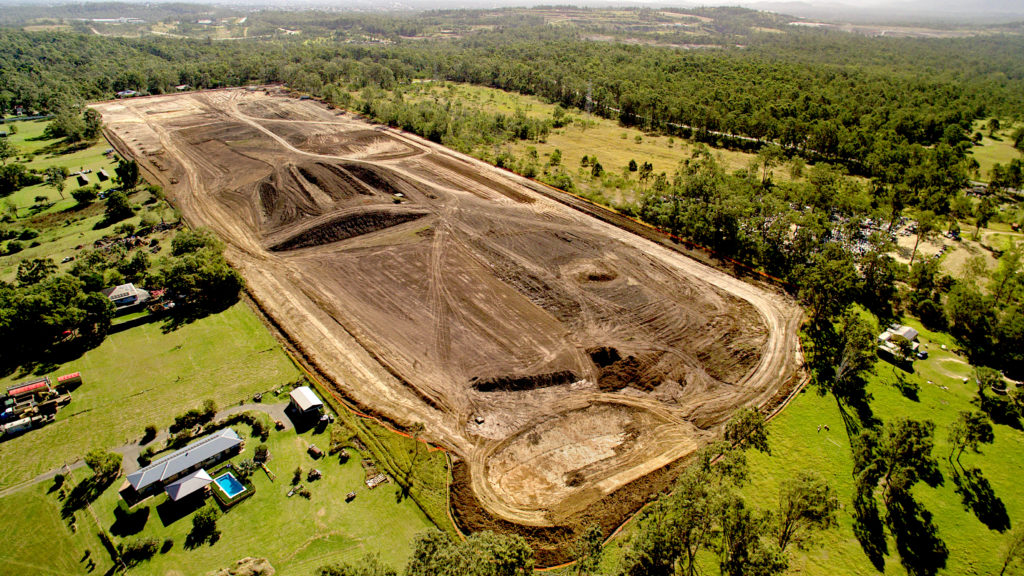
Land development plays a pivotal role in shaping our communities in addition to providing spaces for housing, businesses, and public amenities.
There are many steps involved in the land development process. In this article, we’ll delve into some of the essential stages of land development, exploring each step in detail to provide valuable insights for the developers, planners, and property owners that are involved in shaping our built environment.
Site Acquisition and Evaluation
The beginning of the land development process typically begins with site acquisition and evaluation. This involves identifying suitable land parcels that align with the project’s objectives and conducting thorough assessments to determine their viability to be developed.
Site surveys and soil tests are essential to evaluate the site’s characteristics which can include topography, soil composition, wetlands, waterways, and existing impervious cover. By carefully evaluating these factors, developers can assess the suitability of the site for the intended development and identify any potential challenges or constraints.
A land surveyor would most likely need to be hired to prepare a detailed site survey. A soils consultant may be needed for the soils testing. An environmental scientist might be required to determine the presence of wetlands on the site.
Design and Engineering
Once a suitable site has been identified, the next step in the land development process is the engineering design. This stage involves collaborating with architects, civil engineers, and other professionals to develop comprehensive site plans and architectural designs that would be used for construction.
Design considerations include optimizing the layout of buildings and infrastructure, integrating sustainable design principles, and addressing environmental concerns.
Civil engineers play a crucial role in designing essential infrastructure such as roads, utilities, and drainage systems, ensuring that the development meets regulatory requirements and supports the needs of future occupants. They are also involved with the design of stormwater management systems and grading plans.
Regulatory Compliance and Permitting
Navigating the regulatory landscape is a critical aspect of land development, requiring developers to obtain various permits and approvals from local authorities. This stage involves ensuring compliance with building codes, zoning regulations, and environmental requirements.
Developers must address any environmental concerns or mitigation measures identified during the evaluation process and obtain the necessary permits to proceed with the development. These types of permits might even be required at the state and federal levels.
Permits might also be required from a state transportation department if a project proposes work that could have an impact one of their roads.
Compliance with regulations is essential for mitigating risks, protecting the environment, and ensuring the safety and welfare of future occupants.
Construction and Development
With regulatory approvals in place, the focus shifts to the construction and development phase.
Breaking ground marks the beginning of physical construction activities, where project teams work to build what is shown on the plans.
Effective project management is crucial during this stage, with a focus on managing construction timelines, budgets, and resources efficiently.
Quality control measures are implemented to maintain construction standards and ensure the integrity of the built environment. Construction inspectors might be located on the project site to be sure that what is drawn on the approved plans is being built correctly.
Safety protocols during construction are also paramount, with strict adherence to safety standards and regulations to protect workers and the surrounding community.
Post-Development Activities
Once construction is complete, post-development activities ensure the successful transition of the project from construction to occupancy. Final inspections are conducted to verify that the development meets all regulatory requirements and safety standards. A land surveyor might need to prepare as built plans to show that the construction matches the design plans.
Occupancy permits are obtained, allowing occupants to move into the newly developed space.
Landscaping and beautification plans are implemented to enhance the aesthetics of the development and create inviting outdoor spaces. For residential developments, homeowner associations or management entities may be established to oversee ongoing maintenance and management, ensuring the long-term sustainability of the community.
A Detailed Process
Land development involves a multi-faceted process that requires careful planning, collaboration, and adherence to regulatory requirements. By understanding the key steps involved in land development, stakeholders can navigate the complexities of the process more effectively.
From site acquisition and evaluation to design, construction, and post-development activities, each stage plays a critical role in shaping our built environment and creating sustainable communities.
With proper planning and execution, land development projects can contribute to the growth and prosperity of our cities and towns while preserving the natural environment.